
Research and Testing Facilties
Product Details:
- Load Capacity Designed to withstand hydraulic load of filtration beds
- Installation Type Loose fill; placed in filter beds or tanks
- Machines Type Compatible with rapid sand filters, slow sand filters, industrial filters, aquarium setups
- Thickness Varies depending on filter bed design and application
- Form Granular/loose aggregate
- Product Type Overview Mix Gravel for Filter Media is a combination of different grades and types of gravel that is commonly used in water filtration systems to improve the overall efficiency and effectiveness of the filtration process The idea behind using mixed gravel is to create a multilayered filtering medium that provides optimal filtration across a wide range of particle sizes improving the quality of the filtered water Key Characteristics Particle Size Distribution The mix typically contains a variety of gravel sizes ranging from coarse to fine particles A wellgraded mix of gravel allows for both mechanical and physical filtration The larger particles create channels for water to flow through while the smaller particles help trap finer particles Coarse Gravel Larger particles that provide structure and support for the filter media They help ensure that water flows easily through the filter and prevent clogging in the upper layers Medium Gravel Particles that capture midsized particles and provide additional support for finer layers above Fine Gravel Smaller particles that help filter out smaller suspended solids and finer debris Shape and Texture The gravel particles can be either rounded or angular in shape depending on the source of the gravel Rounded gravel has better flow properties and is less likely to clog while angular gravel can provide more surface area for filtration A mixture of both can provide a balance between flow rate and filtration efficiency Porosity A mix of gravel with varying levels of porosity helps provide better water filtration More porous gravel has greater surface area for trapping particles while less porous gravel allows for faster flow Material Composition The gravel is often composed of durable chemically inert materials such as quartz silica or granite These materials are resistant to corrosion weathering and chemical reactions making them ideal for filtration purposes Applications Water Treatment Mixed gravel is commonly used in rapid sand filters and slow sand filters to purify drinking water The varying sizes allow the filter to remove large particles as well as smaller ones improving overall water clarity Wastewater Treatment In septic systems and wastewater treatment plants mixed gravel helps remove solids and organic matter from wastewater ensuring that treated water meets environmental discharge standards Aquarium Filtration In aquarium filtration systems mixed gravel serves as both a mechanical and biological filter media It helps remove waste and debris while providing a surface area for beneficial bacteria to thrive and break down organic matter Stormwater Management Mixed gravel is also used in stormwater filtration systems where it helps capture pollutants debris and suspended solids from runoff before they enter natural water bodies Industrial Filtration Industrial filtration systems such as those used in cooling towers or pool filtration systems may also use mixed gravel for filtering out particulate matter from liquids Benefits Improved Filtration Efficiency By using a mix of different gravel sizes mixed gravel offers a more effective filtration process Coarser particles allow water to flow more easily while finer particles capture smaller debris and contaminants Enhanced Flow Rate The variety of gravel sizes in the mix helps to prevent clogging and ensure that water flows consistently through the filter media Durability Mixed gravel is resistant to degradation over time providing a longlasting solution for filtration needs CostEffective Using a mix of different gravel grades is often more costeffective compared to using only one grade of gravel It provides a balance between performance and affordability Versatility Mixed gravel can be used in a wide range of filtration applications from drinking water purification to wastewater treatment aquarium filtration and stormwater management Maintenance Backwashing Like other filter media mixed gravel requires periodic backwashing to remove trapped debris and maintain optimal filtration performance The frequency of backwashing depends on the amount of debris in the filtered water Periodic Replacement Over time the gravel may become compacted or clogged and may require replacement or replenishment to maintain filtration efficiency In summary Mix Gravel for Filter Media is a versatile and efficient filtration material used in a wide range of applications Its combination of various particle sizes helps to improve filtration efficiency maintain flow rate and enhance the overall performance of water and wastewater treatment systems
- Main Material Quartz, Silica, Granite (Chemically inert materials)
X
Research and Testing Facilties Price And Quantity
- 1 Unit
Research and Testing Facilties Product Specifications
- Depends on batch and application, typically available in bulk quantities
- Overview Mix Gravel for Filter Media is a combination of different grades and types of gravel that is commonly used in water filtration systems to improve the overall efficiency and effectiveness of the filtration process The idea behind using mixed gravel is to create a multilayered filtering medium that provides optimal filtration across a wide range of particle sizes improving the quality of the filtered water Key Characteristics Particle Size Distribution The mix typically contains a variety of gravel sizes ranging from coarse to fine particles A wellgraded mix of gravel allows for both mechanical and physical filtration The larger particles create channels for water to flow through while the smaller particles help trap finer particles Coarse Gravel Larger particles that provide structure and support for the filter media They help ensure that water flows easily through the filter and prevent clogging in the upper layers Medium Gravel Particles that capture midsized particles and provide additional support for finer layers above Fine Gravel Smaller particles that help filter out smaller suspended solids and finer debris Shape and Texture The gravel particles can be either rounded or angular in shape depending on the source of the gravel Rounded gravel has better flow properties and is less likely to clog while angular gravel can provide more surface area for filtration A mixture of both can provide a balance between flow rate and filtration efficiency Porosity A mix of gravel with varying levels of porosity helps provide better water filtration More porous gravel has greater surface area for trapping particles while less porous gravel allows for faster flow Material Composition The gravel is often composed of durable chemically inert materials such as quartz silica or granite These materials are resistant to corrosion weathering and chemical reactions making them ideal for filtration purposes Applications Water Treatment Mixed gravel is commonly used in rapid sand filters and slow sand filters to purify drinking water The varying sizes allow the filter to remove large particles as well as smaller ones improving overall water clarity Wastewater Treatment In septic systems and wastewater treatment plants mixed gravel helps remove solids and organic matter from wastewater ensuring that treated water meets environmental discharge standards Aquarium Filtration In aquarium filtration systems mixed gravel serves as both a mechanical and biological filter media It helps remove waste and debris while providing a surface area for beneficial bacteria to thrive and break down organic matter Stormwater Management Mixed gravel is also used in stormwater filtration systems where it helps capture pollutants debris and suspended solids from runoff before they enter natural water bodies Industrial Filtration Industrial filtration systems such as those used in cooling towers or pool filtration systems may also use mixed gravel for filtering out particulate matter from liquids Benefits Improved Filtration Efficiency By using a mix of different gravel sizes mixed gravel offers a more effective filtration process Coarser particles allow water to flow more easily while finer particles capture smaller debris and contaminants Enhanced Flow Rate The variety of gravel sizes in the mix helps to prevent clogging and ensure that water flows consistently through the filter media Durability Mixed gravel is resistant to degradation over time providing a longlasting solution for filtration needs CostEffective Using a mix of different gravel grades is often more costeffective compared to using only one grade of gravel It provides a balance between performance and affordability Versatility Mixed gravel can be used in a wide range of filtration applications from drinking water purification to wastewater treatment aquarium filtration and stormwater management Maintenance Backwashing Like other filter media mixed gravel requires periodic backwashing to remove trapped debris and maintain optimal filtration performance The frequency of backwashing depends on the amount of debris in the filtered water Periodic Replacement Over time the gravel may become compacted or clogged and may require replacement or replenishment to maintain filtration efficiency In summary Mix Gravel for Filter Media is a versatile and efficient filtration material used in a wide range of applications Its combination of various particle sizes helps to improve filtration efficiency maintain flow rate and enhance the overall performance of water and wastewater treatment systems
- Compatible with rapid sand filters, slow sand filters, industrial filters, aquarium setups
- Varies depending on filter bed design and application
- Granular/loose aggregate
- Quartz, Silica, Granite (Chemically inert materials)
- Designed to withstand hydraulic load of filtration beds
- Rounded, angular, or mixed shapes depending on gravel source
- Loose fill; placed in filter beds or tanks
- Multilayered filtration, chemically inert, improved filtration efficiency, durability
Research and Testing Facilties Trade Information
- Cash on Delivery (COD), Cash in Advance (CID)
- 1 Unit Per Month
- 1 Week
- Asia
- All India
Product Description
At Pinal Corporation we take pride in our unwavering dedication to quality Our quality assurance practices reflect our commitment to excellence ensuring that every product we deliver upholds our reputation for reliability and innovation
Advanced Testing Inspection
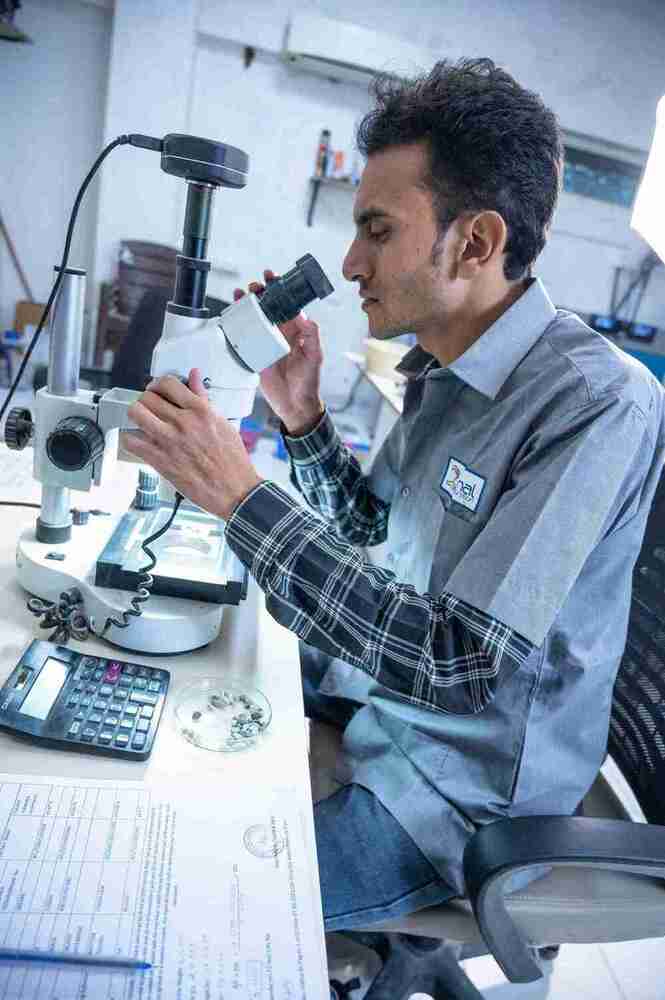
Our stateoftheart laboratories and testing facilities allow us to conduct indepth material and performance analysis ensuring the highest level of precision and durability
Versatile Filtration Applications
Our quartz, silica, and granite-based media is designed for a wide array of filtration purposes, from municipal water treatment plants to large-scale industrial operations and aquarium environments. Its compatibility with rapid and slow sand filters, as well as other industrial filtration setups, ensures it meets the varied needs of clients across industries.
Optimized Material Properties for Performance
Constructed from chemically inert materials, the filtration media does not react with water or dissolved substances, providing longevity and stable operation. Available in multiple shapes and thicknesses, it can be tailored to specific filtration system designs for improved removal of impurities and efficient hydraulic performance.
FAQs of Research and Testing Facilties:
Q: How are quartz, silica, and granite filtration materials installed in filter beds?
A: The materials are installed as a loose fill within filter beds or tanks, either in a single layer or as part of a multilayered filtration system. Their placement follows the design specifications of the filtration bed, allowing precise control of flow and filtration efficiency.Q: What are the primary benefits of using chemically inert filtration media?
A: Chemically inert media, such as quartz, silica, and granite, ensure that no undesirable chemical reactions occur in your filtration process. This enhances water quality, protects against contamination, and provides longer material lifespan due to corrosion resistance.Q: When should multilayered filtration media be used?
A: Multilayered media is ideal when enhanced filtration efficiency is required, such as in municipal water treatment or high-demand industrial processes. The different layers target a broader range of particle sizes, resulting in better water clarity and overall filtration performance.Q: Where can these filtration media products be used?
A: Our products are suitable for water treatment plants, industrial filtration systems, commercial aquarium setups, and any application requiring robust, inert media capable of withstanding varying hydraulic loads.Q: What is the process for ensuring quality and consistency during manufacturing?
A: Each batch of filtration media undergoes thorough quality checks to verify material purity, grain size distribution, and compatibility with customer specifications, ensuring optimal performance and durability in all applications.Q: How does the shape of the gravel affect the filtration process?
A: Rounded, angular, or mixed shapes influence the packing density and flow characteristics within the filter bed. Angular media tends to offer more contact points for particle capture, while rounded media facilitates smoother hydraulic flow, allowing customization for different filtration objectives.Tell us about your requirement

Price:
Quantity
Select Unit
- 50
- 100
- 200
- 250
- 500
- 1000+
Additional detail


PINAL CORPORATION
Quality Is Not a Matter Of Chance Testing Ensures Quality
Quality Is Not a Matter Of Chance Testing Ensures Quality

- Survey No: 101, Part B, T.P. 217, Opp. Jay & Rahul Farm, K.K Patel Farm Road, Shilaj,Ahmedabad - 380059, Gujarat, India
- Phone : 07971191341

- Send Inquiry
- Mr. Pinal Patel
919825084500
 Send Inquiry
 Send Inquiry
 Send SMS
 Call Me Free
PINAL CORPORATION
All Rights Reserved.(Terms of Use)
Developed and Managed by Infocom Network Private Limited.
Developed and Managed by Infocom Network Private Limited.

